

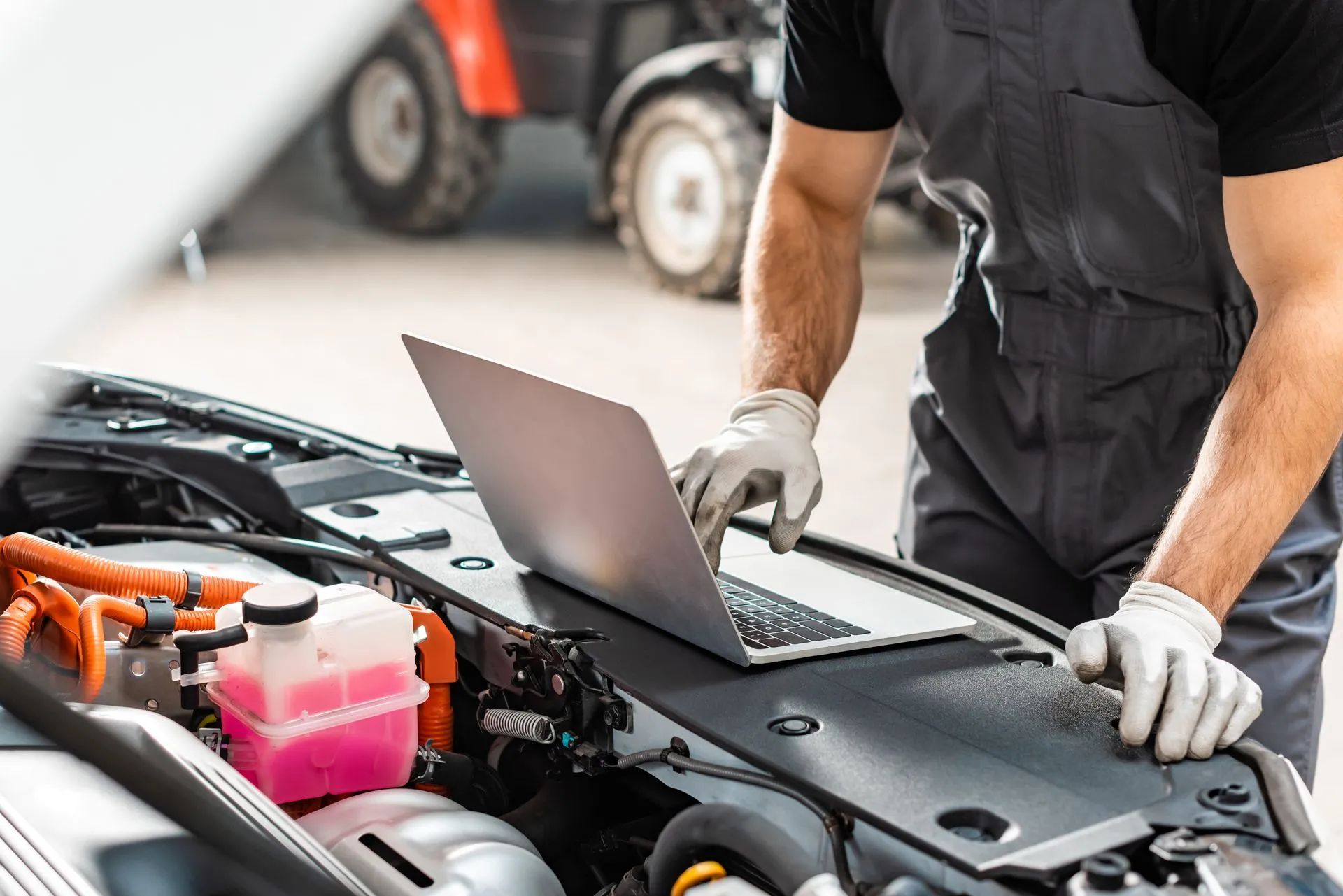
You're cruising down the highway, enjoying a smooth drive in your trusty vehicle, when a strange noise interrupts your peace. Or perhaps, your check engine light starts blinking ominously? It's situations like these that make you wonder - "Could a simple diagnostics procedure save you from bigger problems later on?" and the simple answer is yes! What is Diagnostics in Auto Repair? Diagnostics in auto repair involve the use of specialized equipment and tools to connect with your vehicle's onboard computer system. This system, often referred to as the Engine Control Module (ECM) or Powertrain Control Module (PCM), constantly monitors various aspects of your vehicle's performance. When something goes awry, it stores error codes and issues a warning, like the infamous check engine light. The Simple Diagnostic Procedure The process itself is straightforward, but the benefits are immense. Here's how it typically works: Connecting the Scanner A trained technician plugs a diagnostic scanner into a port located beneath your car's dashboard. This scanner establishes communication with the ECM. Reading Error Codes The scanner retrieves error codes stored in the ECM, which provide valuable insights into what's ailing your vehicle. These codes pinpoint the specific system or component that's experiencing issues. Interpreting the Codes The technician interprets the error codes to understand the problem's nature. Is it related to the engine, transmission, brakes, or something else entirely? Determining Necessary Repairs Armed with this information, your technician can accurately diagnose the issue, recommend repairs, and provide an estimate for the work required. How Diagnostics Prevent Problems Early Detection: Diagnostics allow for early detection of issues, often before they escalate into major problems. Addressing small issues promptly can prevent them from developing into expensive, complex repairs. Reduced Repair Costs: By identifying the specific problem, diagnostics help technicians pinpoint the issue precisely. This means they don't have to guess or rely on trial and error, which can save you both time and money. Enhanced Safety: Some issues may compromise your vehicle's safety. Diagnostics can catch these concerns before they put you at risk on the road. Improved Fuel Efficiency: Problems like a malfunctioning oxygen sensor or a clogged air filter can lead to decreased fuel efficiency. Diagnostics can identify and rectify these issues, helping you save on gas costs. While simple, we at Patterson Brothers Automotive can't deny the importance of diagnostics and frequent check-ups. That's why we advise you to visit the shop, so we can take a look and make sure that everything is good to go! And if it isn't we will fix it in no time.
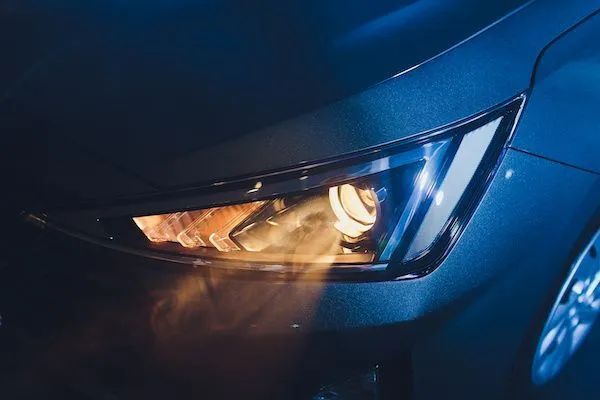
There's nothing quite as unsettling as driving down a dimly lit road when your headlights start to flicker. Those momentary flashes can leave you wondering, "Why are my headlights flickering?" Fortunately, Patterson Brothers Automotive is here to shed light on the reasons behind this common issue, so you can keep your nighttime drives bright and safe. 1. Electrical Gremlins: The Most Likely Culprits Bad Bulbs: Flickering headlights can often be traced back to a simple culprit - a failing or loose headlight bulb. Over time, bulbs can wear out, causing intermittent flickering. Loose Wiring Connections : Wiring connections, especially in older vehicles, can become loose or corroded. When this happens, it disrupts the flow of electricity to the headlights, leading to flickering. 2. Voltage Variations: The Unseen Challenge Alternator Issues : If your vehicle's alternator isn't functioning correctly , it can't maintain a steady flow of electricity to your headlights. This can result in flickering as the voltage fluctuates. Weak Battery : A weak or aging battery can't provide a stable power supply to your headlights. As the battery struggles to maintain voltage, flickering can occur. 3. The Role of Grounding: Overlooked but Important Poor Grounding: Your vehicle's electrical system relies on proper grounding to function efficiently. If there's poor grounding for the headlights, it can lead to flickering issues. 4. Jolts and Vibrations: Aggravating Factors Bumpy Roads: The constant jolts and vibrations from driving on rough or bumpy roads can loosen wiring connections, contributing to flickering headlights. 5. HID or LED Upgrades: Compatibility Matters If you've recently upgraded to HID or LED headlights, compatibility issues or incorrect installation can lead to flickering. These types of headlights often require specific ballasts or resistors to function properly. A Professional Diagnosis: Your Solution to Flickering Headlights While some causes of flickering headlights can be resolved with DIY checks and fixes, others may require the expertise of an auto technician. To ensure your headlights stay steady and reliable, consider: Visiting a professional mechanic for a thorough inspection if you suspect electrical or wiring issues. Replacing aging or failing bulbs promptly to maintain consistent lighting. Checking your vehicle's battery and alternator health regularly to prevent voltage-related flickering. Flickering headlights can present a bothersome and potentially risky situation while driving. To effectively deal with this issue and ensure the safety and visibility of your nighttime journeys, it is important to comprehend the possible causes. By shedding light on the problem, you can take proactive measures to resolve it and enjoy well-illuminated drives. Don't let flickering headlights leave you in the dark; stay informed and drive with confidence, and bring your vehicle to Patterson Brothers Automotive in Colorado Springs, CO, for all your auto lighting needs!
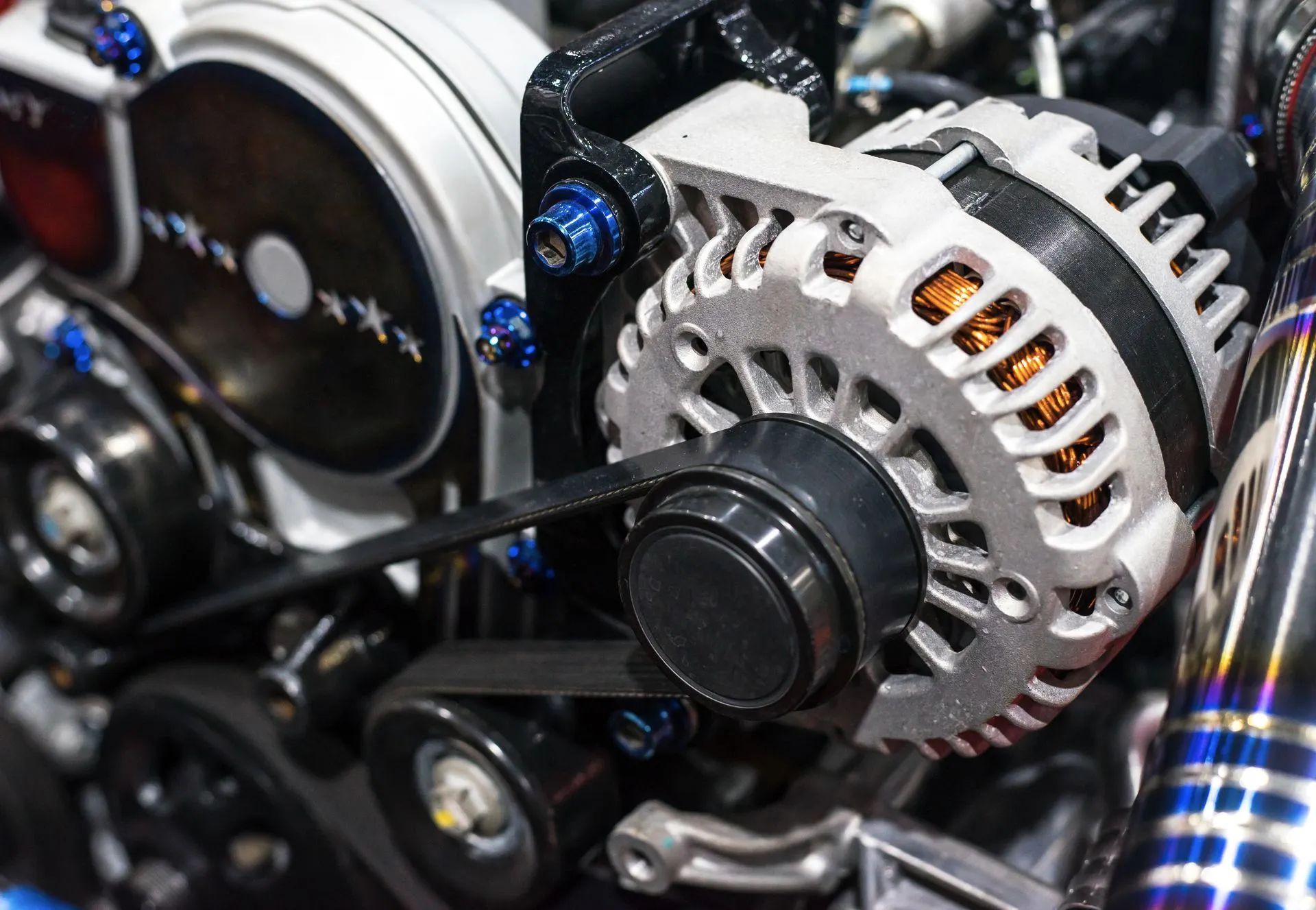
If you're a car enthusiast, you know that the engine is the heart and soul of every vehicle. To keep it running smoothly, precise coordination is required, and timing belts and timing chains play a vital role in achieving this. Although they don't receive the recognition they deserve, these two components are responsible for quite a few of the major processes that happen under your hood. Timing Belt and the Timing Chain Essentially, the timing belt and chain maintain the perfect timing - as their name implies - and sequence of the engine's internal components. This guarantees that the valves open and close at the appropriate moments, preventing any collision between the valves and the pistons. Timing Belt Imagine a slender, flexible belt constructed with sturdy materials such as rubber, reinforced with fiber cords to withstand the immense stress of its job. The timing belt operates quietly, akin to a stealthy guardian, efficiently transmitting the rotation of the crankshaft to the camshaft. Due to its nature, it requires regular maintenance and replacement as it's prone to wear and tear over time. Fail to replace it in time, and the consequences could be dire, potentially leading to a catastrophic engine failure. That's the critical catch with timing belts—it's all about timing! Timing Chain Now, let's shift our focus to the resilient powerhouse—the timing chain. Unlike the timing belt, the chain is built to last, comprising robust metal alloys meticulously engineered to endure the rigors of the engine's internal environment. It's a sturdy link that thrives under pressure, demanding less frequent replacement and proving to be a more long-term investment for your engine's well-being. However, this robustness comes with a downside—the notorious noise associated with the timing chain's operation. It might not be as whisper-quiet as the timing belt, but its longevity often makes up for this minor inconvenience. Belts need replacing at between 40,000 and 60,000 miles, depending on the manufacturer and materials used. On the other hand, chains are made out of metal, meaning they don't need frequent change - most are replaced after they start to malfunction, but we don't recommend it. While we are on the topic of maintenance and change, how is your vehicle's timing belt or chain doing? Patterson Brothers Automotive. can help out with any engine-related services and all other tasks you might need - give us a call, and we will be happy to answer!